

The world of Forex trading has gained immense popularity in recent years, attracting individuals from various backgrounds looking to profit from currency fluctuations. However, for Muslim traders, a critical question arises: Is Forex trading halal or haram? In this article, we delve into Islamic finance, the principles that govern it, and how they apply to Forex trading, ensuring that our discussion maintains a balanced and informative approach.
For more in-depth insights, you can check forex trading halal or haram https://trading-terminal.com/.
Understanding Halal and Haram
In Islam, the concepts of halal (permissible) and haram (forbidden) guide a Muslim’s life, influencing their choices in food, finance, and everyday activities. These concepts derive from Islamic law (Sharia), which provides a framework for what is considered acceptable behavior.
When it comes to finance, earning a profit is generally accepted; however, activities that involve excessive speculation (gharar), gambling (maysir), and interest (riba) are strictly forbidden. Understanding these principles is essential for determining the legitimacy of Forex trading in an Islamic context.
The Nature of Forex Trading
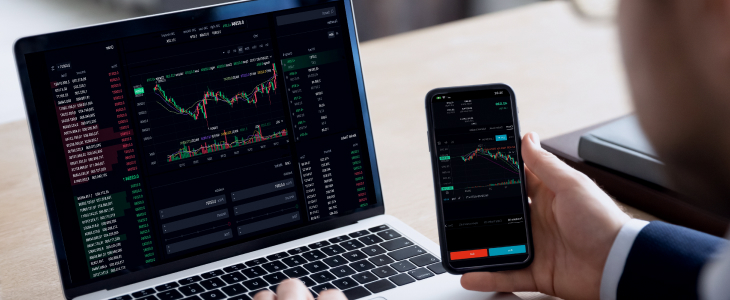
Forex trading involves the buying and selling of currency pairs with the aim of making a profit. The market operates 24 hours a day, with trillions of dollars exchanged daily. Traders can take positions based on various factors, including economic indicators, geopolitical events, and technical analysis. However, the way Forex trading is conducted can impact its religious status.
Key Features of Forex Trading
- Leverage: Forex brokers often offer leverage, allowing traders to control larger positions with a smaller capital investment. While this can amplify profits, it can also lead to significant losses.
- Spreads and Commissions: Forex trading usually involves spreads— the difference between the buying and selling price— along with commissions charged by brokers. Properly structured, these fees can be compliant with Islamic principles.
- Islamic Accounts: Some brokers offer Islamic trading accounts without swaps (interest charges). These accounts are specifically designed for Muslim traders seeking to comply with Sharia.
Is Forex Trading Halal?
To classify Forex trading as halal, several factors must be considered:
- Avoiding Interest: The presence of interest in trading accounts is a significant concern. Traditional Forex trading can lead to swap fees, which are considered riba. Muslims should opt for brokers offering swap-free accounts to comply with Sharia requirements.
- Speculation vs. Investment: Engaging in excessive speculation can be seen as gambling. If one approaches Forex trading as a form of serious investment, based on research and analysis, it aligns more closely with Islamic principles.
- Transparency: Transparency and ethical behavior in trading practices are essential. Traders must avoid deceitful practices and ensure that they are trading in a manner consistent with Islamic ethics.
Common Misconceptions
Many misconceptions surround Forex trading within the Muslim community. Some view all forms of trading as haram due to the potential for speculative practices. However, this perspective overlooks the possibility of ethical trading that adheres to Islamic guidelines.
It is crucial to differentiate between harmful speculation and responsible trading that emphasizes research, risk management, and ethical principles.
The Role of Intent
In Islam, the intention behind an action plays a significant role in determining its permissibility. A trader’s intent should align with the desire to engage in lawful and constructive transactions that do not involve exploitation or harm to others. This means that if a trader aims to support their family or invest wisely, their actions could be seen as halal, provided they follow the rules established by Sharia.
Seeking Advice from Scholars
For Muslims concerned about the permissibility of Forex trading, seeking advice from knowledgeable Islamic scholars can provide clarity. They can offer insights into the nuances of Islamic finance, helping individuals navigate the complexities of trading in a manner consistent with their faith.
Additionally, participating in forums or community discussions can be beneficial for sharing experiences, practices, and ensuring one remains within Islamic boundaries while trading.
Conclusion
In summary, Forex trading can be considered halal under specific conditions that comply with Islamic principles. The key lies in avoiding interest, excessive speculation, and unethical practices while maintaining a clear intention and ethical mindset in trading activities.
As the Forex market continues to grow, Muslim traders can find ways to engage in trading activities while ensuring compliance with the teachings of Islam. By seeking knowledge, remaining transparent, and trading responsibly, it is possible to navigate the Forex landscape in a manner that respects both financial goals and ethical obligations.