
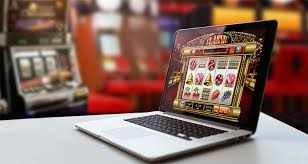
Exploring the Latest Trends in Online Casino UX Design
In the rapidly evolving world of online gaming, creating an engaging and user-friendly experience is crucial for attracting and retaining players. The online casino industry has seen immense growth over the past few years, resulting in fierce competition among operators. To stand out, casinos must focus on exceptional user experience (UX) design. In this article, we will explore the latest trends in online casino UX design, drawing insights from successful platforms and emerging technologies. For a great example of an engaging online casino experience, check out Online Casino UX Design Trends to Watch in 2026 Vox casino polska.
1. Minimalist Design
One of the most significant trends in UX design is the move towards minimalism. With the vast amount of information available at users’ fingertips, simplicity and clarity are essential for effective communication. Minimalist design focuses on the essentials, stripping away unnecessary elements that can distract or overwhelm users.
Online casinos are adopting a minimalist approach by using clean lines, ample white space, and a limited color palette. This design philosophy not only makes navigation easier but also enhances the overall aesthetic appeal of the platform. By decluttering the interface, users can focus on what matters most: the games themselves.
2. Mobile-First Design
As mobile devices become increasingly prevalent, online casinos must prioritize mobile-first design. This approach involves designing the gaming experience primarily for mobile users, ensuring that the platform is fully responsive and optimized for smaller screens. With more players accessing casinos via smartphones and tablets, a seamless mobile experience is no longer optional—it’s essential.
Mobile-first design focuses on touch interactions, large buttons, and simplified navigation paths, catering specifically to mobile users. Casinos that adopt this trend not only enhance user satisfaction but also increase retention rates, as players prefer platforms that are easy to use on the go.
3. Personalization and Customization
Personalization is another vital trend in online casino UX design. By leveraging user data and preferences, casinos can create tailored experiences that resonate with individual players. This might include personalized game recommendations, customized promotions, and adjustable interface settings.
Moreover, gamification elements such as achievements, rewards, and leaderboards can elevate the user experience, fostering a sense of community and competition among players. By offering a personalized touch, online casinos can enhance player engagement and loyalty.

4. Intuitive Navigation
When it comes to online casinos, intuitive navigation is crucial. Players expect a seamless journey from the moment they arrive on the site. This can be achieved through logical menu structures, prominent search features, and easy access to preferred games or promotions.
User testing is invaluable for identifying pain points in navigation. By observing how players interact with the platform, designers can streamline the user journey, making it as effortless as possible. Well-organized categories, filters, and search functions ensure players can find their favorite games quickly, reducing frustration and enhancing the overall experience.
5. Enhanced Visuals and Graphics
Visual design plays a crucial role in the online gambling experience. High-quality graphics, engaging animations, and immersive themes can significantly enhance player enjoyment. As technology advances, online casinos are adopting cutting-edge visuals, including 3D graphics and augmented reality (AR), to create a more engaging environment.
Enhanced visuals not only attract new players but also keep existing ones engaged. Sophisticated designs that reflect the theme of the games can provide a more immersive experience, encouraging players to spend more time on the platform. Incorporating videos, animations, and interactive elements can also make the gaming experience more dynamic and enjoyable.
6. Emphasizing Security and Trust
In the online gambling industry, security and trust are paramount. Players need to feel confident that their personal information and financial transactions are secure. UX design plays a critical role in communicating transparency and reliability.
Online casinos can enhance user trust by using recognizable security badges, SSL certificates, and clear privacy policies. Intuitive design elements, such as easily accessible customer support and informative FAQs, can also help establish a secure environment. By prioritizing trust in their UX design, casinos can build long-lasting relationships with their players.
7. Social Interactivity
As social gaming continues to rise in popularity, online casinos are integrating social interactivity into their platforms. Features such as live dealer games, chat functions, and social media sharing can greatly enhance the player experience, creating a sense of community.

By allowing players to engage with each other, online casinos can foster a more dynamic and enjoyable gaming environment. Social features help create opportunities for interaction, whether through multiplayer games, leaderboards, or competitions. Enhancing the social aspect of gaming can significantly boost player retention and satisfaction.
8. Integration of AI and Machine Learning
The integration of artificial intelligence (AI) and machine learning into online casino UX design is a game-changer. These technologies can analyze player behavior to deliver personalized experiences, optimize gameplay, and enhance security.
AI-driven chatbots can provide immediate customer support, ensuring that players’ queries are addressed promptly. Additionally, machine learning algorithms can be used to detect fraudulent activities, improving the overall safety of the platform. As AI technology continues to advance, its applications in online casinos will undoubtedly grow, leading to more intuitive and secure user experiences.
9. Accessibility Considerations
An inclusive UX design is essential for attracting a broader audience. Online casinos are becoming more aware of the need to accommodate players with diverse abilities. Designing with accessibility in mind involves creating interfaces that are easy to navigate for users with visual, hearing, or mobility impairments.
Incorporating features like customizable text sizes, voice commands, and alternative text for images can greatly enhance the accessibility of online casinos. By prioritizing inclusivity, casinos not only comply with legal standards but also create a welcoming environment for all players.
10. The Rise of Virtual Reality
Finally, the advent of virtual reality (VR) in the gaming industry presents exciting possibilities for online casinos. VR technology allows players to enter immersive 3D environments where they can engage with games and interact with other players in real time.
As VR technology becomes more accessible, online casinos are exploring ways to incorporate it into their UX design. This innovation could redefine the online gaming experience, making it more engaging, interactive, and lifelike.
Conclusion
The online casino industry is constantly evolving, and staying ahead of UX design trends is essential for operators looking to attract and retain players. Minimalist design, mobile optimization, personalization, intuitive navigation, enhanced visuals, security, social interactivity, AI integration, accessibility, and the rise of VR are shaping the future of online gaming. By embracing these trends, online casinos can create compelling user experiences that delight players and foster long-term loyalty.